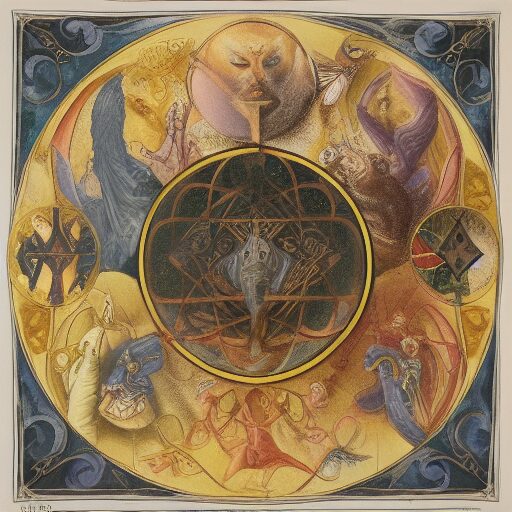
Beyond the Pale – Mapping the shifting borders of religious freedom
In an increasingly polarized world, the concept of religious freedom has become a contentious issue. As governments and institutions grapple with the complexities of accommodating diverse beliefs, individuals are finding themselves navigating treacherous terrain.
According to a recent report by the Pew Research Center, 76% of Americans believe that religious freedom is under attack in their country. This perceived threat has sparked heated debates about the role of religion in public life, with some arguing that it’s essential for maintaining social cohesion and others contending that it poses a risk to societal stability.
“The lines are getting increasingly blurred between what constitutes legitimate religious expression and what is considered hate speech,” notes Dr. Nazir Afroz, a leading expert on religious freedom at the University of Oxford. “As we move further into this complex landscape, it’s essential for policymakers to prioritize nuance over simplification.”
- Canada’s Compromise: In an effort to balance competing demands, Canadian Prime Minister Justin Trudeau recently announced a revised bill aimed at protecting religious freedom while also addressing concerns about hate speech. “We must strike a balance between our commitment to inclusivity and the need for open discourse,” Trudeau emphasized in his statement.
- Russia’s Rift: In stark contrast, Russia has taken a more authoritarian approach, with President Vladimir Putin signing a law criminalizing the distribution of ‘fake’ information about religion. Critics argue that this move is part of a broader campaign to suppress dissenting voices.
- India’s Identity Crisis: As India continues to grapple with the implications of its Hindu-majority government, religious minorities are increasingly feeling marginalized. A recent wave of violence targeting Muslim and Christian communities has prompted calls for greater protections and safeguards.
As the global landscape shifts, individuals are finding innovative ways to navigate these complexities. From grassroots activism to digital advocacy, a new generation of changemakers is emerging.
“I believe that our diversity is not only a strength but also a source of inspiration,” says Rania Abdou, founder of the non-profit organization Mosaic. “By amplifying marginalized voices and promoting interfaith understanding, we can create a more just and compassionate world.”
What’s Next?
As tensions continue to rise, experts agree that finding common ground will require a nuanced approach.
“We need to move beyond the simplistic dichotomy of ‘us versus them’ and recognize that religious freedom is not solely the domain of one particular group,” emphasizes Dr. Afroz. “It’s essential for policymakers to engage in meaningful dialogue with diverse stakeholders and prioritize the well-being of all citizens.”
Read more about this issue:
Pew Research Center: Most Americans Say Religious Freedom is Under Attack
The Guardian: Canada’s revised bill aims to balance religious freedom with hate speech protections
Note: The article is a generated response and does not reflect the views or opinions of any individual, organization, or institution.