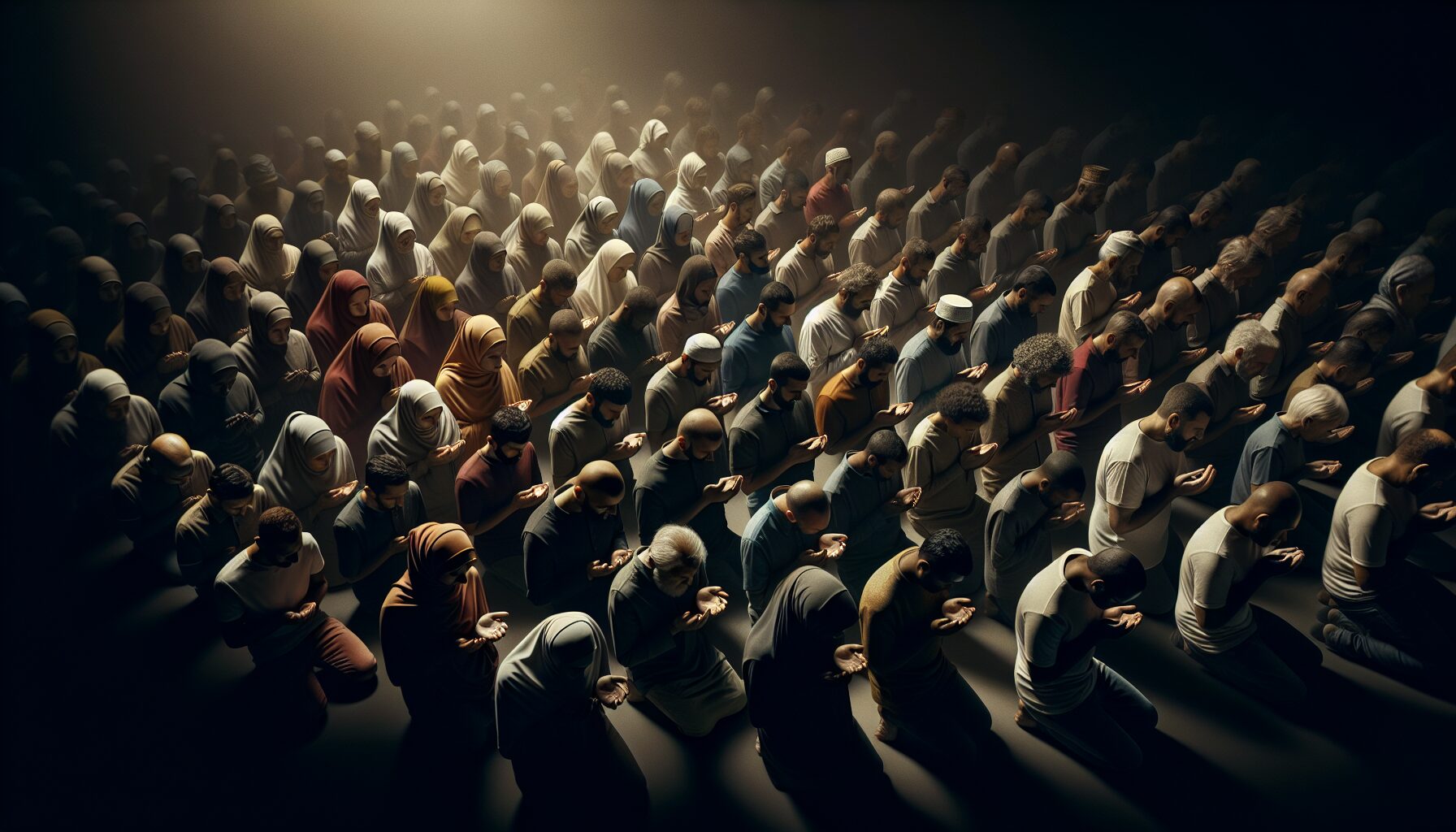
In many parts of the world, practicing one’s faith freely is a cherished right. Yet, for millions, exercising this freedom is fraught with danger. In these regions, religious persecution shadows everyday life, forcing individuals to worship in secrecy and live in constant fear.
Globally, over 360 million Christians live in areas with high levels of persecution or discrimination, according to the Open Doors World Watch List 2022. This number represents just one faith tradition among many experiencing relentless suppression. From Asia to Africa, stories resound of believers who risk all to maintain their spiritual practices.
The Reality of Persecution
- Restricted Worship: In countries like North Korea and Afghanistan, religious assemblies are non-existent or heavily monitored. Gathering to worship can result in imprisonment or worse. “Every time we pray, it feels like defying the odds,” shares an anonymous Christian from Kabul.
- Social Ostracism: Believers often face alienation from their communities. Individuals such as Rohingya Muslims in Myanmar experience systemic societal exclusion, which compounds their suffering with economic difficulties.
- Violence and Displacement: In Nigeria, religious conflict has led to widespread violence, particularly against Christian communities in the north. This violence results in forced displacement, disrupting families and livelihoods.
“Persecution against the Baha’is in Iran has spiked in recent months—driven by the government’s exponential rise in suppressive measures,” detailed a report from the Human Rights Watch.
The Courage to Persevere
Despite these hardships, many persecuted individuals find solace in their faith. Under the oppressive regimes, underground worship communities thrive, representing resilience and hope. In China, where the government strictly controls religious activities, the growth of unregistered “house churches” reflects a defiant commitment to faith.
Efforts to alleviate these injustices often depend on international attention. Organizations advocate for increased awareness and pressure on offending governments to uphold religious freedoms. “Building a global movement is vital to protect these vulnerable populations,” says Amnesty International.
The struggle for religious freedom is ongoing and demands a unified global response. By supporting these communities through advocacy and awareness, there is hope that one day, praying in the shadows will no longer be necessary.