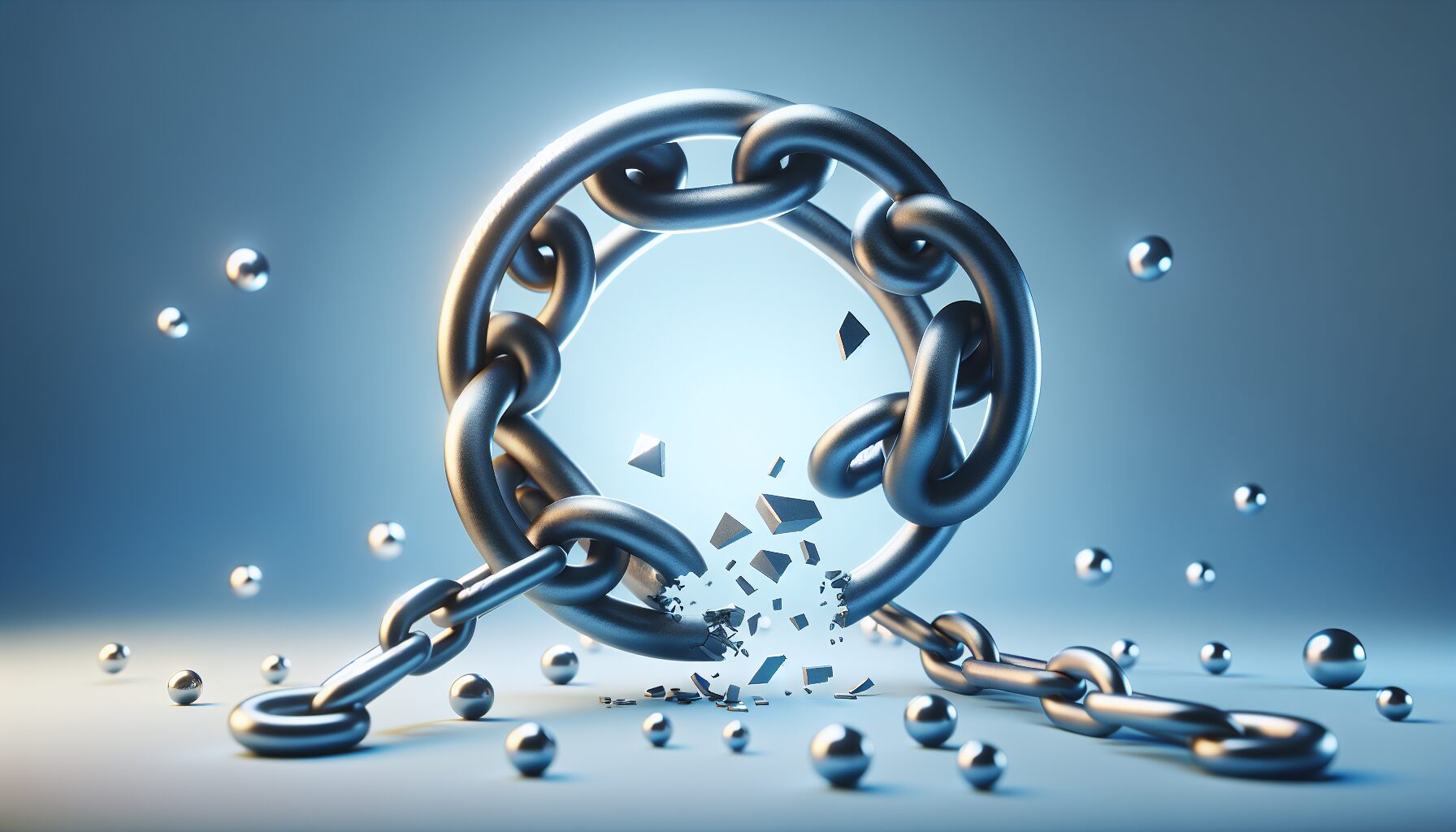
In the intricate web of human relationships and societal structures, cycles of control often manifest, entangling individuals within repetitive patterns of behavior and thought. Breaking free from these cycles is essential for personal growth and societal progress. This article explores the mechanisms of control, their impact, and methods to escape and transform these recurrent cycles.
Understanding Cycles of Control
Cycles of control are systems of influence where actions and reactions create repetitive loops of behavior. These can occur in personal relationships, workplaces, societal norms, and even within individual’s thought patterns. Control can be exerted through various means such as:
- Psychological Influence: Manipulation of emotions or thoughts to steer another’s behavior.
- Physical Constraints: Use of force or physical barriers to restrict freedom.
- Social Pressure: Leveraging societal norms to dictate behavior.
- Economic Dependence: Creating financial dependencies as a form of control.
These cycles often perpetuate themselves, making it difficult for individuals to recognize and break free from them.
The Impact of Control
The effects of being trapped in a cycle of control can be profound and far-reaching. According to a Psychology Today article, “The longer we remain entangled in a controlling cycle, the more our autonomy and sense of self can diminish.” This can lead to:
- Loss of Autonomy: Individuals may lose their sense of agency, feeling unable to make independent decisions.
- Emotional Distress: Increased stress, anxiety, and depression as a result of manipulative environments.
- Stunted Personal Growth: Lack of personal development due to recurring patterns preventing new experiences.
- Fragmented Relationships: Relationships may suffer as power dynamics overshadow mutual respect and trust.
Recognizing the Patterns
To break free from cycles of control, recognizing the patterns is the first step. Here are some signs that might suggest an individual is caught in such a cycle:
- Repeating Arguments: Cycling through the same conflicts without resolution.
- Feeling Trapped: A constant sense of being stuck or unable to change circumstances.
- Power Imbalances: One party consistently exerting dominance over another.
- Restrictive Rules: Unyielding rules or norms that limit freedom.
In her book, The Dance of Anger, Harriet Lerner writes, “Repeated patterns in life are not just random; they give us clues about how we are managing our relationships and ourselves.” Understanding these clues is crucial.
Methods to Escape the Cycle
Breaking the cycle requires courage and determination. Here are methods to initiate change:
1. Awareness and Self-Reflection
Developing an awareness of the current situation and reflecting on personal thoughts and behaviors is crucial. Journaling or talking with a trusted individual can help to clarify these patterns.
2. Establishing Boundaries
Setting and maintaining personal boundaries is key in regaining control and autonomy. According to Psychotherapist Amy Morin, “Boundaries aren’t about shutting people out. They’re about deciding what you’re willing to allow.”
3. Seeking External Support
Professional guidance can provide perspective and tools to address controlling dynamics. Therapists and support groups offer safe environments to discuss and develop strategies.
4. Building Empowering Habits
Introducing new habits and routines can provide a sense of control and interrupt the cycle. Learning new skills, taking on personal projects, or engaging in physical activities are beneficial strategies.
5. Communication and Confrontation
Communicating openly and honestly about concerns can shift dynamics. It requires assertiveness and courage, but expressing needs and boundaries can change the cycle significantly.
6. Transitioning Environments
Sometimes, the best solution is removing oneself from the toxic environment. Whether it’s leaving a controlling relationship or changing jobs, a new environment can provide the freedom needed for change.
The Path Forward
Breaking free from cycles of control is not only about escaping negative patterns but also about discovering new paths of growth and potential. It’s an ongoing journey that encompasses:
- Rediscovering Self: Reconnecting with personal values, desires, and dreams.
- Fostering Healthy Relationships: Building connections based on mutual respect, trust, and support.
- Embracing Change: Welcoming new experiences and learning opportunities.
- Ensuring Consistent Self-Care: Maintaining habits that nurture mental, emotional, and physical well-being.
As Brené Brown beautifully captures, “Owning our story and loving ourselves through that process is the bravest thing we’ll ever do.” Breaking the cycle is not just an escape; it is a courageous step towards a more authentic and fulfilling life.
Conclusion
Breaking the cycle of control is both a personal and collective effort. It demands introspection, courage, and action. Whether these cycles are found in our private relationships or the broader societal framework, the liberation that comes with dismantling them paves the way for renewal and empowerment.
For further reading, consider exploring resources like GoodTherapy for professional advice and support in making these significant life changes.