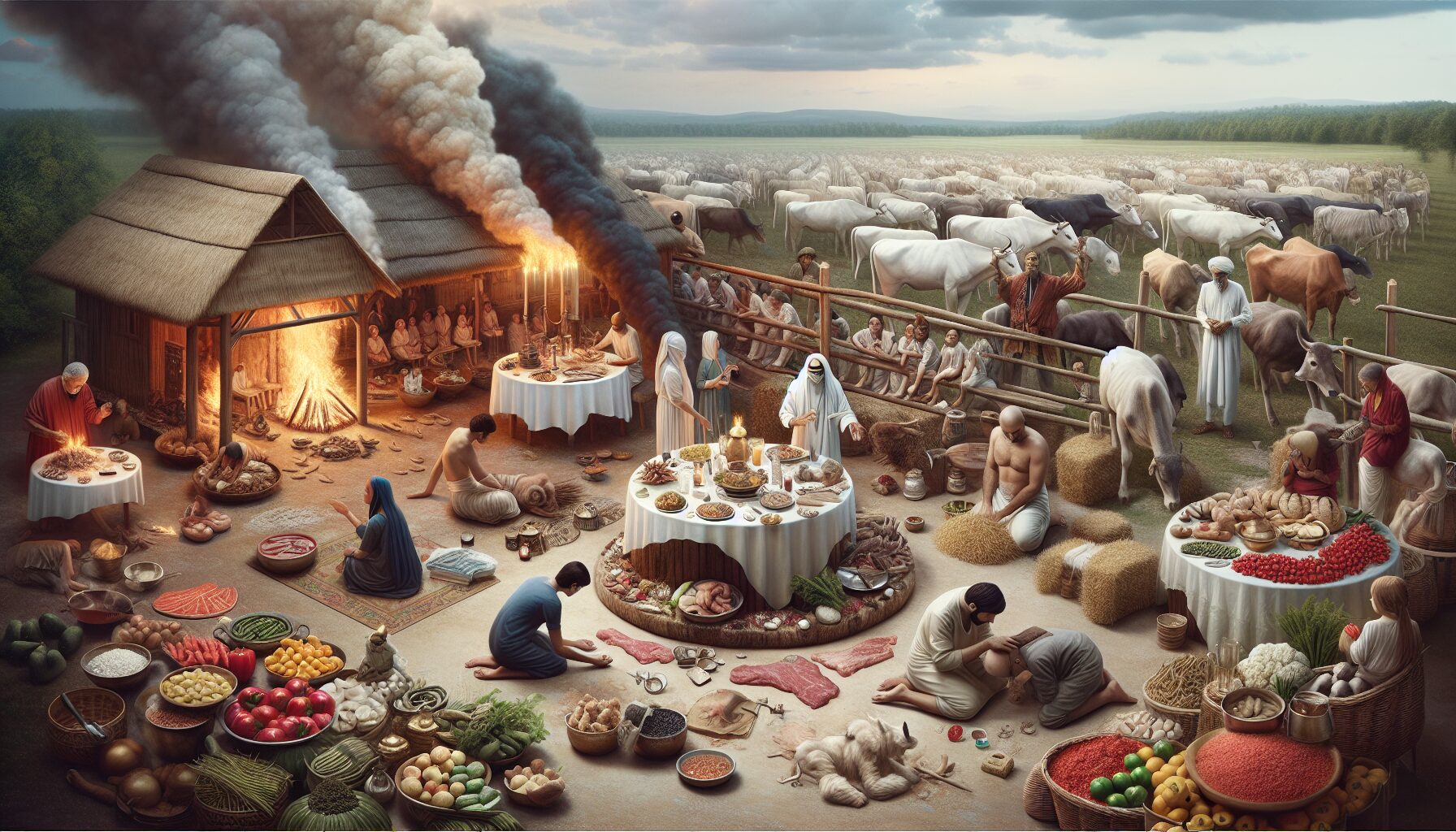
Cultural practices often encompass a range of behaviors, some of which may subtly perpetuate harm, even as they masquerade as tradition or social norms. These “minor wrongs,” though seemingly innocuous, can carry undercurrents of cruelty that reflect deeper societal issues.
Understanding Minor Wrongs
Anthropologically, minor wrongs refer to actions or behaviors that, while not overtly damaging, perpetuate negative stereotypes or reinforce inequitable power dynamics within a culture. These actions are often ingrained in the fabric of society to the point where they go unnoticed or unquestioned. According to cultural theorist Edward Said, “Understanding the way cultures create and distribute knowledge is critical to understanding underlying power dynamics.” (Britannica).
Cruelty veiled as Tradition
- Social Rituals: Some social customs, such as hazing rituals in fraternities or sororities, which are seen as rite of passage, often include mental and sometimes physical degradation. These acts, though trivialized as playful or character-building, can leave long-lasting scars.
- Everyday Language: Certain colloquialisms or jokes can perpetuate stereotypes and perpetuate cycles of prejudice. Humor, when at the expense of marginalized groups, becomes a tool of subtle cruelty.
- Gender Norms: In some cultures, minor actions such as “mansplaining” or dismissing domestic contributions as less significant reinforce gender inequalities, sustaining a balance of power that favors one group over another.
Challenging the Status Quo
Breaking away from harmful cultural codes requires awareness and deliberate action. Sociologist Pierre Bourdieu suggests that “Social space is an active and dynamic force. It requires us to think critically about how power is distributed and maintained.” This implies that recognizing subtle wrongs is the first step toward change.
Communities and individuals can challenge these norms by:
- Educating: Providing forums for discussion where individuals can learn about the origins and impacts of certain practices helps foster understanding and empathy.
- Reevaluating customs: Encouraging ongoing evaluation of traditions to ensure they are inclusive and respectful to all members of the society.
- Advocacy: Advocates can utilize platforms to campaign against practices that subtly promote cruelty, shining a spotlight on areas needing reform.
Ultimately, the task of uncovering and dismantling cultural codes that harbor diluted forms of cruelty falls to each member of society. As communities grow more aware and vigilant, the hope is for tradition and custom to evolve alongside an increasing recognition of human dignity and equality.